Discover Spokane Valley top Water Purification Systems Today
Discover Spokane Valley top Water Purification Systems Today
Blog Article
Pure and Clean: The Criticality of Water Purification Systems
Access to pure and potable water is a fundamental necessity. Many dwellings neglect the potential contaminants lurking in their tap water. Heavy metals, bacteria, and chemicals can pose serious health risks. Water purification systems offer a solution by aptly removing these impurities. However, understanding the various options available and their environmental impact is vital. What factors should one consider when deciding on the right system for their home? The answers may surprise you.
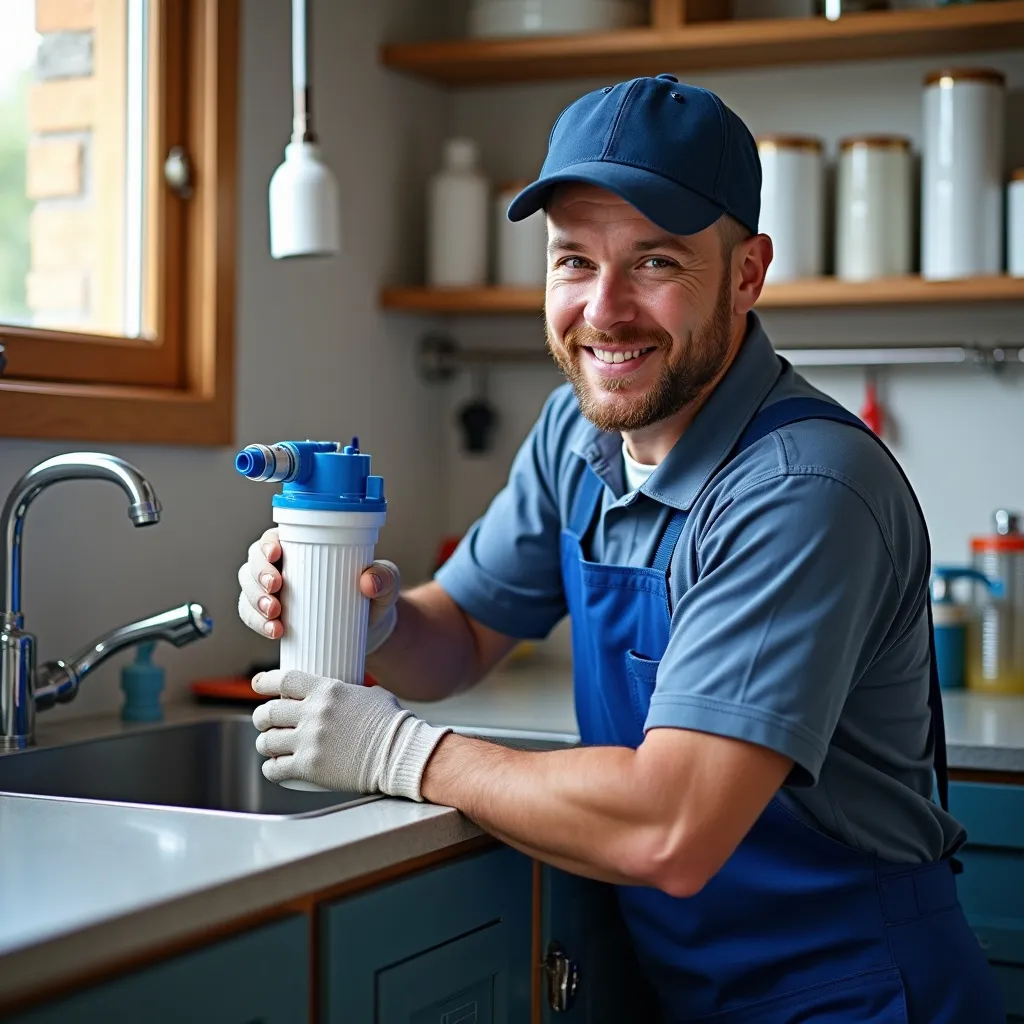
What unwanted substances Are sitting in Your Water?
What veiled hazards hide within routine water sources? Many individuals fail to understand the possible contaminants that may affect their health. Prevalent contaminants consist of heavy metals such as lead and arsenic, which can seep into water systems from aging infrastructure or industrial runoff. Microbial hazards, such as bacteria and viruses, often emerge from agricultural runoff or inadequate sanitation practices. Additionally, chemical contaminants like pesticides and pharmaceuticals are frequently detected, resulting from agricultural activities and improper disposal methods.
Chlorine and chlorine by-products, used for disinfection, can also pose risks, resulting in long-term health issues. Moreover, new pollutants such as microplastics have become an increasing worry, as they remain in water sources and may enter the human body through consumption. Understanding these concealed threats is critical, prompting the need for effective water purification systems to safeguard public health and guarantee safe drinking water.
How Water Cleansing Works
Learning how water purification works involves examining various methods used to remove contaminants. Filtering processes, synthetic treatments, and ultraviolet treatment each serve a vital role in guaranteeing water purity and safety. By exploring these techniques, one can appreciate the complexities of effective water purification processes.
Understand Separation Processes
How do different purification techniques enhance water quality improvement? Purification techniques are essential in eliminating impurities from water, ensuring its safety for drinking. Physical filtration uses physical barriers, such as screens or membranes, to trap particles and sediment. Carbon filtration systems efficiently adsorb organic compounds and chlorine, improving taste and odor. Reverse osmosis employs a semi-permeable membrane to remove dissolved solids, bacteria, and viruses, delivering highly purified water. Additionally, ceramic filters can trap microorganisms, providing another layer of protection. Each method varies in efficiency and application, often combining to improve overall purification effectiveness. By understanding these filtration methods, individuals can make informed choices in choosing appropriate water purification systems for their needs.
Chemical Decontamination Techniques
Chemical cleansing techniques transform contaminated water into safe drinking water through various means that target specific pollutants. These techniques often include the addition of chemical agents, such as chlorine or ozone, to eliminate harmful microorganisms and pathogens. Coagulation and flocculation are other key processes, where chemicals are applied to attach smaller particles into larger aggregates, facilitating their removal. Additionally, advanced oxidation processes utilize reactive species to break down organic contaminants. Ion exchange systems can effectively remove heavy metals and other ionic pollutants by exchanging unwanted ions with less harmful ones. Overall, chemical purification plays an essential role in ensuring water safety, providing an important barrier against various contaminants that may compromise public health.
UV Treatment Advantages
Following chemical purification operations, UV treatment gives a different approach to guaranteeing water safety. This technique employs ultraviolet light to remove detrimental microbes, including bacteria, viruses, and protozoa. By disrupting the DNA of these harmful agents, UV treatment successfully hinders their reproduction and makes them benign. One of the key advantages of this system is its efficiency; water is purified instantly as it flows through the UV chamber. Furthermore, UV treatment does not add in any chemicals or change the water's taste or odor, rendering it an attractive choice for many households. It needs minimal maintenance and works efficiently, often in conjunction with other purification methods, enhancing overall water quality and safety without the use of dangerous materials.
Why Effective Water Purification Is Important for Our Ecosystem
Effective water filtration is essential for sustaining environmental health, as it significantly affects ecosystems and human communities alike. Contaminated water sources can cause harmful consequences on wildlife, disturbing food chains and diminishing biodiversity. Pollutants such as heavy metals, chemicals, and practical tips pathogens can penetrate natural habitats, threatening aquatic life and undermining the integrity of ecosystems.
Additionally, clean water is critical for farming operations, as polluted sources can modify crop yields and soil quality. In metropolitan regions, reliable water treatment systems assure that communities have access to safe drinking water, minimizing medical dangers stemming from waterborne diseases.
What Water Purification System Suits You Best?
Determining the right water purification system depends upon numerous factors, including the specific contaminants in the water and the intended purpose of the water. For residential use, common options include activated carbon filters, reverse osmosis systems, and UV purifiers. Activated carbon filters effectively remove chlorine, sediment, and some volatile organic compounds, which improves taste and odor. Reverse osmosis systems are more comprehensive and remove a broader range of contaminants like heavy metals and salts, which is ideal for hard water areas. UV purifiers, despite being ineffective against chemical pollutants, are excellent for destroying pathogens, making them a favorable option for well water users. For industrial or large-scale applications, advanced systems such as multi-stage filtration or distillation may be required. In the final analysis, understanding specific water quality needs and use cases helps guide the selection of the most effective purification system.
How to Choose the Correct Water Filtration System
How can one identify the most appropriate water purification system for their needs? First, an assessment of water quality is essential. Checking for impurities such as bacteria, heavy metals, and chlorine will direct the selection process. Next, evaluating the volume of water needed daily is vital; some systems appeal to small households, while others are designed for larger demands.
An additional element to consider is the desired purification method, whether it be reverse osmosis, UV filtration, or activated carbon. Each method has its benefits and constraints, influencing overall effectiveness and maintenance requirements. Budget also functions as a major element; systems vary widely in price, both upfront and in recurring maintenance expenses.
In conclusion, assessing warranties and customer support options can deliver insight on the reliability of a product. By methodically reviewing these elements, a knowledgeable choice can be established, ensuring access to safe and clean water.
Maintenance Tips for Your Water Purification System
Consistent servicing is essential for maximizing the output of water purification systems. Regular filter substitution and routine cleaning are important roles in keeping water quality and increasing the lifespan of the equipment. Observing these practices helps prevent issues that could damage the system's effectiveness.
Regular Filter Substitution
Consistently changing the filters is a key part of maintaining an efficient water purification system. Filters are crucial in filtering impurities and ensuring the water clean and safe to drink. Over time, filters accumulate impurities that can cause reduced performance and undermine water quality. It is usually recommended to replace filters as per the manufacturer’s guidelines, typically every six months to a year, based on usage and water quality. Neglecting this necessary maintenance can cause decreased flow rates and potential for bacteria. Regularly checking filter status and following a replacement schedule not only boosts the system’s operation but also safeguards the health of those relying on the purified water.
Periodic System Cleaning
Maintaining a water filtration device involves more than filter replacement; routine cleaning of the system is equally necessary for optimal performance. Over time, impurities may accumulate in the system, influencing water quality and flow rates. Regular cleaning of external surfaces and internal components, such as tanks and tubing, helps prevent blockages and guarantees efficient operation. It is advisable to consult the manufacturer’s guidelines for maintenance procedures and frequency. Additionally, inspecting for leaks and maintaining proper connections can ward off potential issues. Scheduling routine maintenance not only lengthens the life of the system but also improves water purity. Ultimately, a well-maintained purification system provides reliable availability to safe, clean water for all users.
Perks of Putting in a Home Water Purifying System
Acquiring a home water purification system can substantially elevate the excellence of drinking water, particularly in regions where municipal supplies may harbor contaminants. These systems competently eliminate impurities such as chlorine, heavy metals, and harmful bacteria, assuring safer and healthier water for consumption.
Residential purification systems often result in improved flavor and scent, making drinking water more desirable for families. They can also bolster the service life of domestic appliances by preventing mineral buildup, which can damage them over time.
Furthermore, implementing such a system can be affordable in the long run, reducing the need for bottled water and decreasing plastic waste.
Furthermore, having access to clean drinking water encourages improved fluid intake, which is vital for overall health. To conclude, a household water filtration unit not only improves water quality but also provides financial, ecological, and wellness benefits, rendering it a worthwhile investment for any household.
Frequently Asked Questions
How Consistently Should I Substitute My Water Purification System Filters?
Typically, filters in a water purification system should be replaced every six months to one year, taking into account usage and water condition. Regular maintenance guarantees peak performance and safe potable water for households.
Can Water Filtration Systems Remove All Types of Bacteria?
Water purification apparatus can successfully extract many varieties of pathogens, but not all. The efficacy rests on the system's technical specifications, filter quality, and maintenance practices, emphasizing the need for determining the correct filtration method for distinct impurity types.
Do Water Filtering Systems Consume a Lot of Water?
Water filtration devices can deplete a substantial amount of water, particularly reverse osmosis systems. The waste varies by model, but on average, they may expel three to four gallons for every gallon of purified water produced.
What Health Risks Exist With Unfiltered Tap Water?
Unfiltered drinking water from the tap may pose health risks, including contact to contaminants like lead, bacteria, and pesticides. At-risk groups, such as children and the elderly, face increased danger from these potential pollutants in water for consumption.
What Does a Quality Water Filtration Unit Expense?
A premium water purification system typically ranges between $200 and $2,000, based on the type and features. Installation and maintenance may increase the overall expense, influencing the total investment for homeowners.
Report this page